The iPhone 17 Pro Max: Is the Ultimate Flagship Worth the Premium Upgrade?

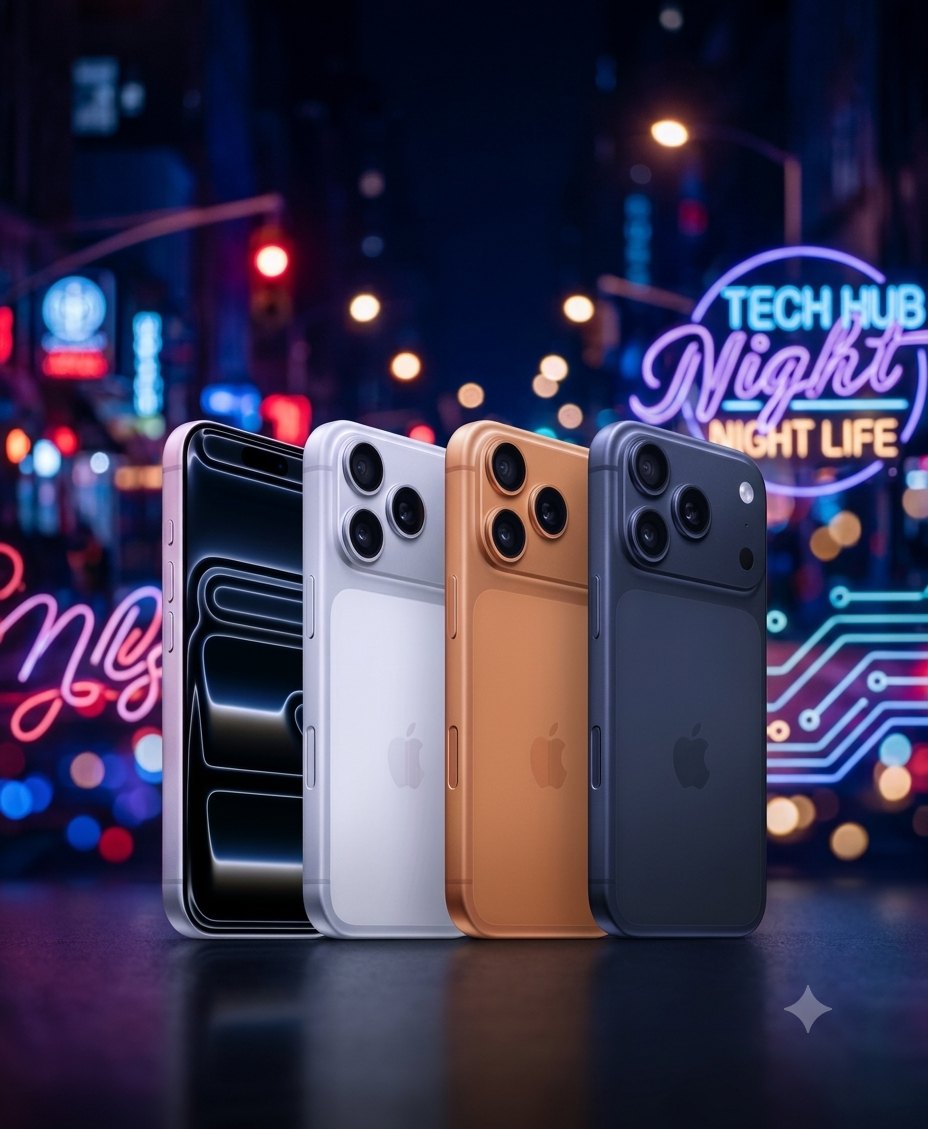
As smartphone innovation moves closer to a performance ceiling, every new flagship release undergoes intense scrutiny. The iPhone 17 Pro Max enters a competitive tech landscape attempting to redefine what high-end mobility means. Balancing raw computing power with refined physical architecture, the latest top-tier device targets power users, content creators, and enterprise professionals who demand zero compromises.
Below is a comprehensive breakdown of the core advantages and drawbacks of this definitive premium device.
The Pros: Where It Outpaces the Competition
Significant architectural and engineering updates have been introduced to this generation, solidifying its place at the top of the performance pyramid:
-
Next-Gen Silicon Efficiency: Driven by a cutting-edge A-series chipset built on a highly dense node process, the device delivers effortless multitasking and processing speeds. It handles everything from complex on-device machine learning models to professional-grade video rendering without hitting thermal limits or throttling.
-
Advanced Thermal Dispersal Architecture: Addressing legacy cooling concerns, the internal layout has been re-engineered. Improved structural heat sinks distribute thermal loads uniformly, ensuring sustained high performance during intensive gaming or extended 4K filming sessions.
-
Refined Optic Stack & Sensors: The main camera sensor system benefits from upgraded light collection and faster focal tracking. Optical stability across all zoom ranges produces highly detailed images with reduced noise, particularly in challenging low-light environments.
-
Optimized ProMotion Display Layout: The display offers a fully variable refresh rate that transitions seamlessly down to minimal power draw. Outdoor legibility is drastically improved with enhanced peak brightness handling harsh afternoon glare effortlessly.
The Cons: The Trade-offs and Pain Points
Despite its technical achievements, the flagship introduces structural and practical compromises that potential buyers must consider:
-
Premium Price-to-Value Ratio: Positioning itself at the highest luxury tier, the cost of entry is a steep investment. For average consumers whose daily workflows don’t maximize high-throughput computing or pro-video formats, the marginal return on value over standard models is difficult to justify.
-
Physical Footprint and Ergonomics: Packing expansive hardware, structural stabilization elements, and a high-capacity cell results in a distinct physical presence. Users who prefer lightweight or single-handed usability will find the chassis bulky and heavy during prolonged use.
-
Incremental Visual Evolution: From an industrial design standpoint, the exterior chassis changes are safe and evolutionary rather than revolutionary. Users looking for a dramatic visual change or a novel form factor will find it familiar to previous generations.
-
Proprietary Ecosystem Lock-in: Maximizing the unit’s full utility—especially features like high-speed data transfer or unified cross-device continuity—heavily depends on owning a wider suite of matching hardware and cloud storage tiers.
Quick Comparison Summary
| ✓ Key Pros | ✗ Key Cons |
| • Industry-leading processing output | • Substantial financial investment |
| • Sustained performance cooling | • Heavy and bulky physical design |
| • Superior low-light optical capture | • Predictable structural aesthetic |
| • High peak brightness outdoor screen | • Ecosystem dependency for pro-features |
Final Verdict: Who is it for?
The iPhone 17 Pro Max is an engineered powerhouse designed for those who view their phone as a critical production tool rather than a casual accessory. If your business, workflow, or creative output relies on the best mobile processing, sustained battery life, and peak optical capabilities, the investment pays for itself. However, casual users may find more balance and value in standard tiers without carrying the extra physical and financial weight.