Samsung Galaxy S26 Ultra Review: The Ultimate AI Flagship Pros & Cons

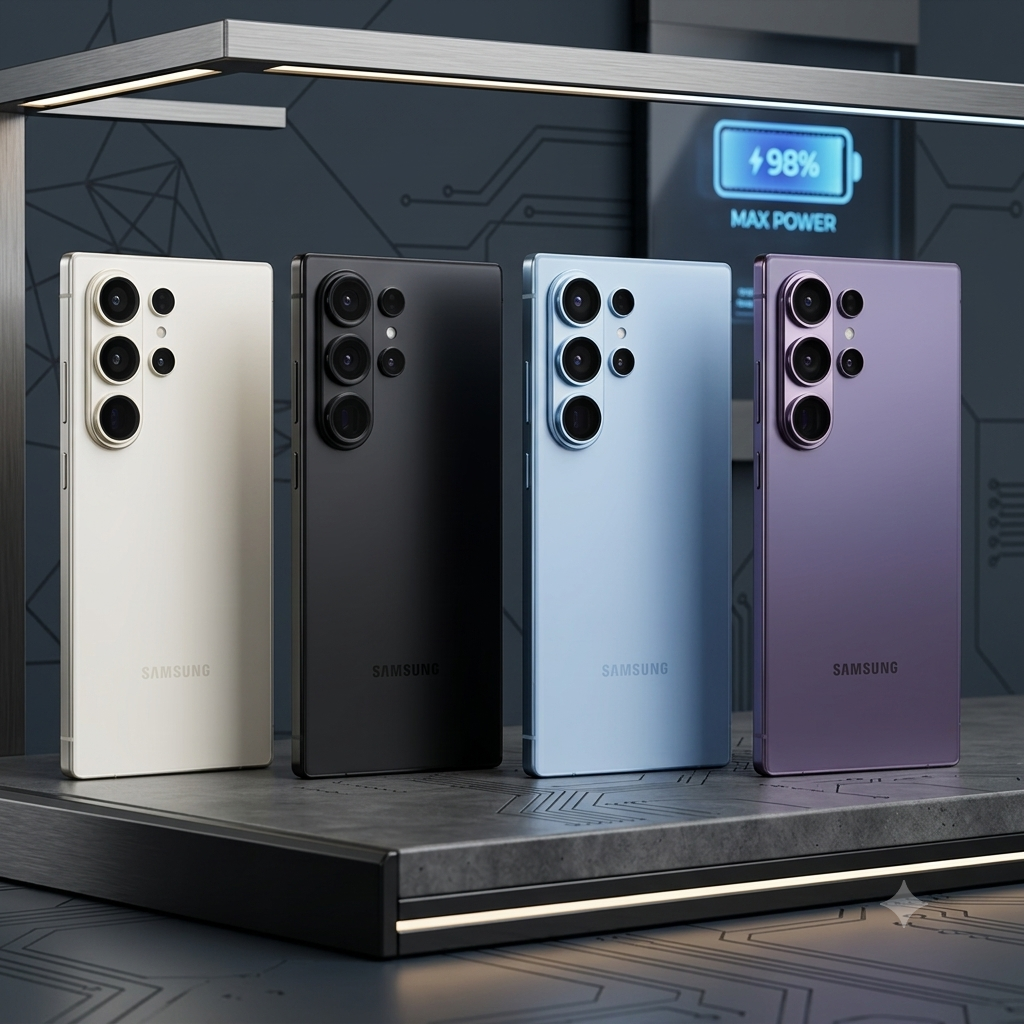
Samsung Galaxy S26 Ultra Review: The Ultimate AI Flagship Pros & Cons
The flagship smartphone race has evolved beyond pure hardware metrics into a showcase of automated computing and advanced sensor tech. The Samsung Galaxy S26 Ultra enters the arena as a direct counterweight to Apple’s premium line, positioning itself as the definitive option for power users who demand productivity tools and camera versatility in a single chassis. Running on a highly customized architecture with deep AI integration, this premium device introduces clear improvements alongside definitive trade-offs.
Below is an analytical look at the core strengths and distinct limitations of Samsung’s powerhouse flagship.
📸 The Definitive Hardware Look
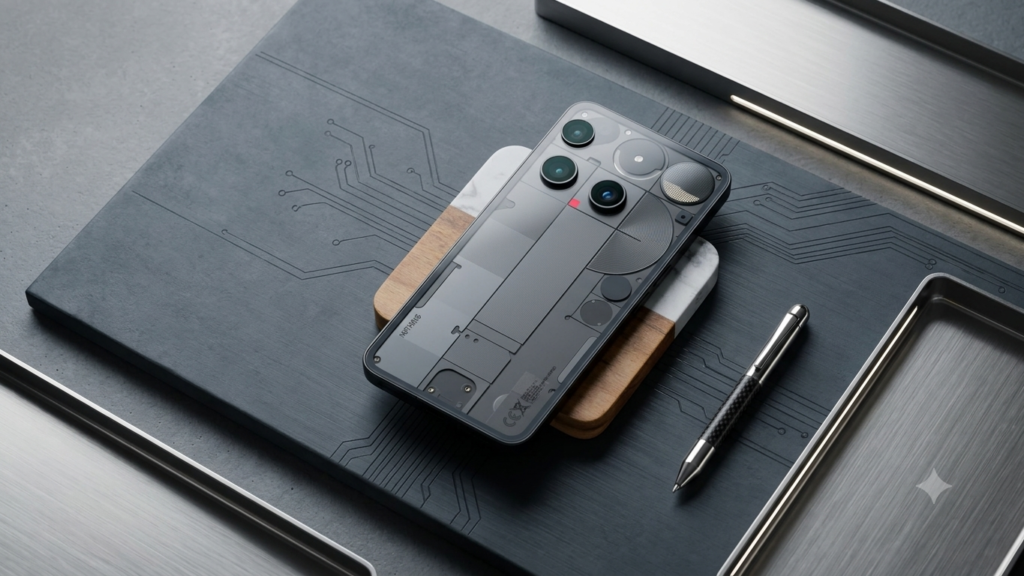
[image-generation-placeholder: A clean, commercial-grade product photograph of a modern premium titanium smartphone standing vertically against a minimalist, high-tech abstract studio background. The device features a sophisticated dark matte finish, a distinct multi-lens rear camera configuration seamlessly integrated into the back panel, and a crisp edge-to-edge bright display showing a sleek, professional interface with modern abstract wallpaper. Sharp focus, professional product illumination with subtle blue and gold accents, high technical clarity.]
The Pros: Where It Outpaces the Competition
Samsung has packed its ultimate tier device with notable upgrades to processing, display utility, and lens systems:
-
Customized Silicon Dominance: Powered by a customized Snapdragon 8 Elite Gen 5 chipset (built on a dense 3nm process node), the device boasts up to a 39% faster NPU for AI computations and a 24% leap in graphics rendering. It cuts through immense workloads, multi-window multitasking, and heavy local productivity tasks effortlessly.
-
The Next-Gen “Privacy Display”: A major quality-of-life update comes via the world’s first hardware-integrated mobile Privacy Display. Users can easily switch on a pixel-level viewing guard that prevents prying eyes from seeing sensitive information or passwords from side angles.
-
Massive 200MP Lens Stack Upgrade: The primary camera sensor shifts to a massive $f/1.4$ aperture, pulling in significantly more light for Nightography. Combined with an expanded 24-megapixel processing pipeline, low-light details maintain exceptional sharpness and natural textures.
-
Upgraded Power Delivery: While keeping the reliable 5,000 mAh capacity cell, the wired charging threshold has broken past traditional limits to a faster 60W standard, giving users a 75% charge in roughly 30 minutes.
The Cons: The Trade-offs and Pain Points
Despite the impressive technical specifications, the S26 Ultra carries practical considerations that may deter certain users:
-
Substantial Form Factor Weight: Carrying a massive 6.9-inch screen along with its internal hardware arrays, the device remains an absolute tank weighing 214 grams. Users looking for single-handed comfort or a compact pocket profile will find its sharp rectangular lines cumbersome over long sessions.
-
Premium Financial Premium: Sitting well above standard tiers, the pricing demands an immense investment. For buyers who don’t rely on deep AI features, professional photography setups, or desktop-level multitasking, the added price-to-value ratio is difficult to rationalize.
-
Missing Native Qi2 Ring: Even though the device embraces 25W wireless charging capabilities, Samsung opted out of building a native internal magnetic ring directly into the phone’s chassis, still requiring specific magnetic cases for alignment.
-
Ecosystem Dependence for Peak Productivity: To get the absolute most out of its robust architecture, like seamless cross-device continuation or high-speed file transfers, you need to rely heavily on Samsung’s direct ecosystem apps and services.
Quick Comparison Summary
| ✓ Key Pros | ✗ Key Cons |
| • Customized 3nm Snapdragon processing powerhouse | • Large, heavy, and rectangular 214g design |
| • Integrated pixel-level Privacy Display | • Very high upfront cost for casual users |
| • 200MP camera with massive $f/1.4$ low-light sensor | • No native magnetic ring inside the chassis |
| • 60W faster wired charging capability | • Requires specific software setup for peak performance |
Final Verdict: Who is it for?
The Samsung Galaxy S26 Ultra is built directly for power users who view their phone as an extension of their workstation. If your daily routine maximizes split-screen workflows, heavy mobile photography, or fast data manipulation, the extreme upgrades under the hood completely prove their worth. However, if your typical usage leans toward casual browsing, standard messaging, and streaming, you can easily save a substantial chunk of budget by selecting a mid-tier option instead.